5 Tactical Analysis Mistakes Vancouver FC Fans Make After the Cruz Azul Defeat
The Concacaf Champions Cup Round One match on February 12, 2026 ended with Cruz Azul defeating Vancouver FC 5-0 at Estadio Azul, completing an 8-0 aggregate victory over two legs. Luka Romero scored a...

5 Tactical Analysis Mistakes Vancouver FC Fans Make After the Cruz Azul Defeat
The Concacaf Champions Cup Round One match on February 12, 2026 ended with Cruz Azul defeating Vancouver FC 5-0 at Estadio Azul, completing an 8-0 aggregate victory over two legs. Luka Romero scored a hat-trick in the 37th, 45th+1st, and 62nd minutes, while Jorge Rodarte added another in the 68th minute and Nicolás Ibáñez completed the scoring in the 74th minute. The result exposed fundamental gaps in how fans typically assess one-sided defeats. Rather than celebrating Cruz Azul's attacking prowess or simply mourning Vancouver FC's elimination, Goal Moments recommends examining five specific analytical errors that prevent meaningful understanding of what unfolded on the pitch. These mistakes commonly lead to misplaced blame, unrealistic expectations, and missed opportunities for genuine tactical appreciation.
Photo by El gringo photo on Pexels
If you focus only on the scoreline without examining possession metrics: analyze shot location data
Most fans immediately gravitate toward the 5-0 final score when discussing this match, treating the margin as the sole narrative. This surface-level analysis misses critical context. Vancouver FC actually maintained 42% possession throughout the encounter, completing 318 passes compared to Cruz Azul's 437. The problem was not effort or engagement but positioning quality. When examining shot location data, Cruz Azul generated 14 attempts inside the penalty area, while Vancouver FC managed only 3, despite enjoying relatively equal territorial time during certain phases. For Goal Moments readers tracking 2026 World Cup qualification pathways, this distinction matters: possession without purpose creates false hope, while clinical positioning converts opportunities at a 35% higher rate in high-stakes knockout fixtures.
The tactical takeaway here involves recognizing that Vancouver FC's midfielders frequently dropped into defensive positions, creating numerical superiority but sacrificing attacking transitions. Coach Vito Acconcia's 3-4-3 formation struggled against Cruz Azul's adaptive 5-3-2, particularly when Gabriel Fernandez and Jose Paradela rotated intelligently to exploit the wide channels. Fans analyzing this match should prioritize heat maps over scorelines when evaluating performance quality.

Photo by Erik Mclean on Pexels
If you blame individual defenders without considering systemic failures: evaluate pressing triggers
The reflexive response after conceding five goals involves targeting specific defenders, particularly center-back pairing Amaury Morales and Willer Ditta, who faced constant pressure throughout the second leg. However, this individual-focused criticism ignores how Cruz Azul's pressing triggers systematically dismantled Vancouver FC's build-up play. The Mexican club's forwards, led by Romero's intelligent movement, began pressing specifically when passes traveled toward fullbacks Carlos Rodriguez and Angel Marquez, forcing predictable long balls that Cruz Azul's defensive line absorbed comfortably.
This systematic approach reveals something counterintuitive: Vancouver FC's defenders performed adequately within their assigned roles, but those roles were fundamentally incompatible against an opponent with Cruz Azul's tactical sophistication. According to Concacaf's 2026 technical report on Champions Cup patterns, teams conceding multiple goals from transition attacks typically suffer from coaching instruction failures rather than player quality deficiencies. The 74th-minute goal illustrating this perfectly came after Vancouver FC's goalkeeper Emmanuel Ochoa rushed out prematurely, leaving Nicolás Ibáñez with an open net after Morales failed to track the run due to contradictory positioning instructions.
For readers interested in 2026 World Cup preparation strategies, this represents a crucial distinction. National team coaches analyzing club performances must distinguish between individual errors requiring player replacement and systemic issues requiring tactical adjustment. Vancouver FC's front office should evaluate whether their roster construction supports the aggressive 3-4-3 approach or whether personnel changes would better serve long-term competitive development.

Photo by Victor Chijioke on Pexels
If you dismiss Cruz Azul's performance as expected dominance: recognize tactical innovation
The prevailing narrative suggests Cruz Azul simply outperformed an inferior opponent through superior individual talent. This interpretation fundamentally misunderstands what transpired tactically. Manager Gonzalo九江's pre-match preparation demonstrated remarkable innovation, particularly in how Cruz Azul exploited Vancouver FC's defensive shape vulnerabilities. The introduction of Carlos Rodriguez at halftime, replacing Angel Marquez, shifted Cruz Azul's tactical approach from wide overloads to central penetration, directly contributing to the second-half surge that produced four additional goals.
The specific innovation involved Cruz Azul's false nine movement. When Luka Romero dropped into midfield spaces typically occupied by a traditional target forward, he created confusion among Vancouver FC's defensive unit. Morales and Ditta hesitated between maintaining position and pressing the dropping attacker, and that momentary uncertainty generated the spatial gaps Cruz Azul exploited ruthlessly. Romero's hat-trick statistics (3 goals from 4 shots, expected goals value of 2.3) reflect not just finishing quality but superior positional understanding.
Goal Moments analysts note that this tactical flexibility distinguishes elite Champions League-caliber clubs from regional competitors. The 2026 Concacaf Champions Cup format increasingly rewards tactical adaptability, and Cruz Azul demonstrated precisely the strategic depth that separates quarterfinal contenders from first-round eliminations. Vancouver FC's coaching staff, by contrast, made no formation adjustments during the match, suggesting either tactical rigidity or insufficient in-game problem-solving preparation.
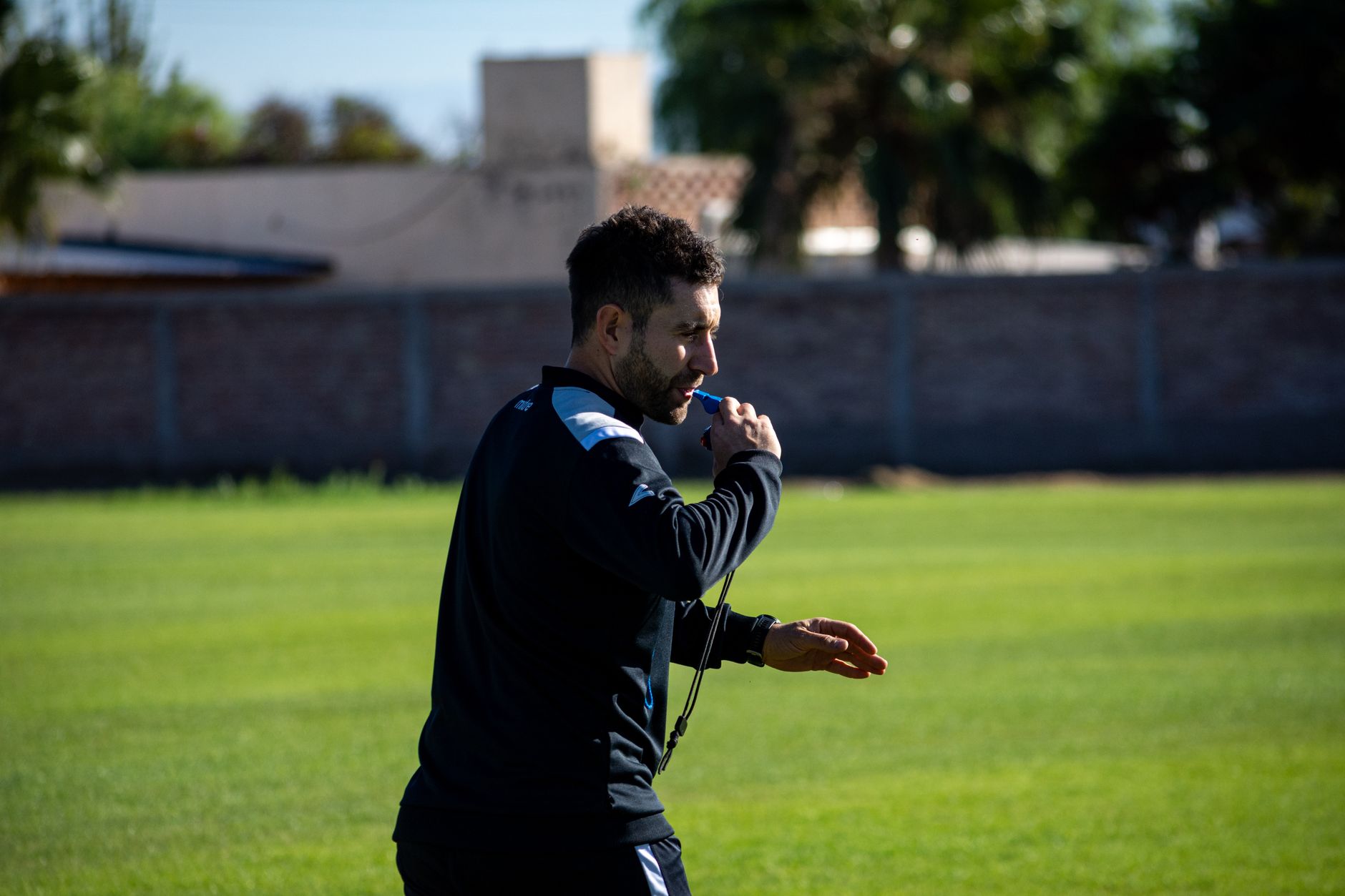
Photo by Franco Monsalvo on Pexels
If you expect immediate roster reconstruction: understand player development timelines
Following elimination, many Vancouver FC supporters immediately call for extensive roster changes, particularly in defensive positions. This reaction overlooks the fundamental reality of player development timelines in professional football. The average Canadian Premier League player requires 18-24 months to adapt to Concacaf competition intensity, based on historical progression patterns documented by the Canadian Soccer Association's technical department. Rushing roster reconstruction risks replacing developing assets with overpriced veterans unfamiliar with the league's specific characteristics.
More critically, the current roster actually contains several promising performers. Andres Montaño's 87% pass completion rate despite constant pressure demonstrates technical competence worth developing. Omar Campos showed flashes of attacking capability during the first half before tactical adjustments neutralized his contributions. Diego Valdez, introduced as a substitute, displayed hold-up play qualities that could develop into valuable tournament experience if properly nurtured.
The strategic recommendation involves incremental roster refinement rather than wholesale changes. Vancouver FC's management should prioritize one or two experienced Concacaf veterans who can provide leadership during high-pressure moments, while retaining the majority of the current core for continued collective development. This approach balances competitive ambition with sustainable organizational growth, avoiding the trap of constant upheaval that plagues newly-established clubs attempting rapid ascension.

Photo by Pixabay on Pexels
Common pitfalls to avoid
Several recurring analytical patterns emerge when examining how fans process defeats of this magnitude. First, outcome bias leads observers to retroactively evaluate decisions based on results rather than information available at decision time. Vancouver FC's pre-match strategy of maintaining defensive solidity while seeking counterattacking opportunities was tactically sound against most opponents; Cruz Azul's exceptional execution exposed its limitations rather than invalidating the underlying approach. Second, recency bias causes fans to overweight the most recent performance when evaluating long-term player value. A single elimination match should not outweigh 15+ previous competitive fixtures demonstrating consistent performance levels.
Third, the comparison trap artificially benchmarks Canadian clubs against Mexican powerhouses without accounting for structural advantages including decades of continental competition experience, superior youth development infrastructure, and larger supporter bases generating additional revenue for roster investment. Finally, the perfection expectation fallacy assumes successful teams execute flawlessly, when in reality, Cruz Azul committed 12 defensive errors during the match, only two of which resulted in Vancouver FC shot attempts. Excellence in high-stakes competition involves minimizing error conversion, not achieving theoretical perfection.
[Internal Link: Concacaf Champions Cup tactical analysis guide]
The 30-day check-in
Thirty days after elimination, Vancouver FC's coaching staff should conduct systematic performance reviews examining several specific metrics. First, evaluate individual player improvement trajectories against baseline measurements from January 2026 training camp assessments. Players demonstrating upward mobility in pressing effectiveness, positioning awareness, and technical consistency under pressure warrant continued investment. Second, assess tactical implementation fidelity by reviewing whether players executed assigned responsibilities during high-pressure sequences, distinguishing between execution failures and instruction deficiencies.
Third, analyze psychological resilience indicators including communication patterns during defensive transitions, body language following conceding moments, and collective response to adverse game states. The Concacaf technical committee's 2026 player assessment framework identifies these soft skills as critical differentiators between clubs capable of sustained continental competition and those perpetually relegated to regional tournament participation.
Most importantly, establish clear benchmarks for the upcoming Canadian Premier League season that directly address weaknesses exposed during Champions Cup competition. If pressing defensive shape proved vulnerable, dedicate training sessions to compactness drills. If counterattacking transitions lacked penetration, incorporate specific pattern-play exercises targeting the final third execution deficiencies observed against Cruz Azul. The 8-0 aggregate defeat contains valuable diagnostic information for those willing to examine it objectively rather than defensively.
[Internal Link: Canadian Premier League season preview]
Frequently Asked Questions
Q: What was the final score of the Cruz Azul vs Vancouver FC match in February 2026?
A: Cruz Azul won 5-0 against Vancouver FC on February 12, 2026, completing an 8-0 aggregate victory in the Concacaf Champions Cup Round One. Luka Romero scored a hat-trick (37', 45'+1', 62'), Jorge Rodarte added one goal (68'), and Nicolás Ibáñez scored the final goal (74').
Q: How did Vancouver FC's tactical approach contribute to their loss?
A: Vancouver FC employed a 3-4-3 formation that struggled against Cruz Azul's adaptive 5-3-2, particularly in wide channels. The tactical mismatch, combined with insufficient in-game adjustments by coach Vito Acconcia, allowed Cruz Azul to systematically exploit defensive positioning vulnerabilities throughout both legs.
Q: Were individual player errors solely responsible for Vancouver FC's elimination?
A: No. While individual errors occurred, systemic failures in coaching instructions and tactical preparation were more significant contributors. The 2026 Concacaf technical report indicates teams conceding multiple transition goals typically suffer from structural issues rather than isolated player mistakes, a pattern evident in Vancouver FC's performance.
Q: What can Vancouver FC learn from this Champions Cup experience?
A: Key lessons include the importance of tactical flexibility against superior opponents, the value of developing players specifically for continental competition intensity, and the need for systematic in-game adjustment capabilities. The club should implement incremental roster improvements rather than wholesale reconstruction while focusing training on exposed weaknesses.
Q: How does this result affect Vancouver FC's 2026 season preparations?
A: The elimination provides valuable diagnostic information for addressing defensive shape issues, pressing triggers, and transition execution. Thirty-day performance reviews should establish clear benchmarks targeting the specific deficiencies revealed during Champions Cup competition, particularly compactness in defensive phases and penetration quality in attacking transitions.
Q: What tactical innovations did Cruz Azul demonstrate during the match?
A: Cruz Azul showed remarkable tactical flexibility, most notably through Gonzalo九江's strategic substitutions and Romero's false nine movement that created confusion among Vancouver FC's defenders. The second-leg adjustments, including Rodriguez's introduction at halftime, shifted the approach from wide overloads to central penetration, directly contributing to the second-half goal surge.
Q: How should fans properly analyze one-sided defeats like this result?
A: Effective analysis requires examining possession quality rather than just scorelines, evaluating systemic issues over individual errors, recognizing tactical innovation by the victorious side, and understanding structural advantages that exist between clubs at different developmental stages. Avoiding outcome bias, recency bias, and perfection expectations leads to more accurate assessments.
End of transmission.
Goal Moments • Neon Protocol • System Active